

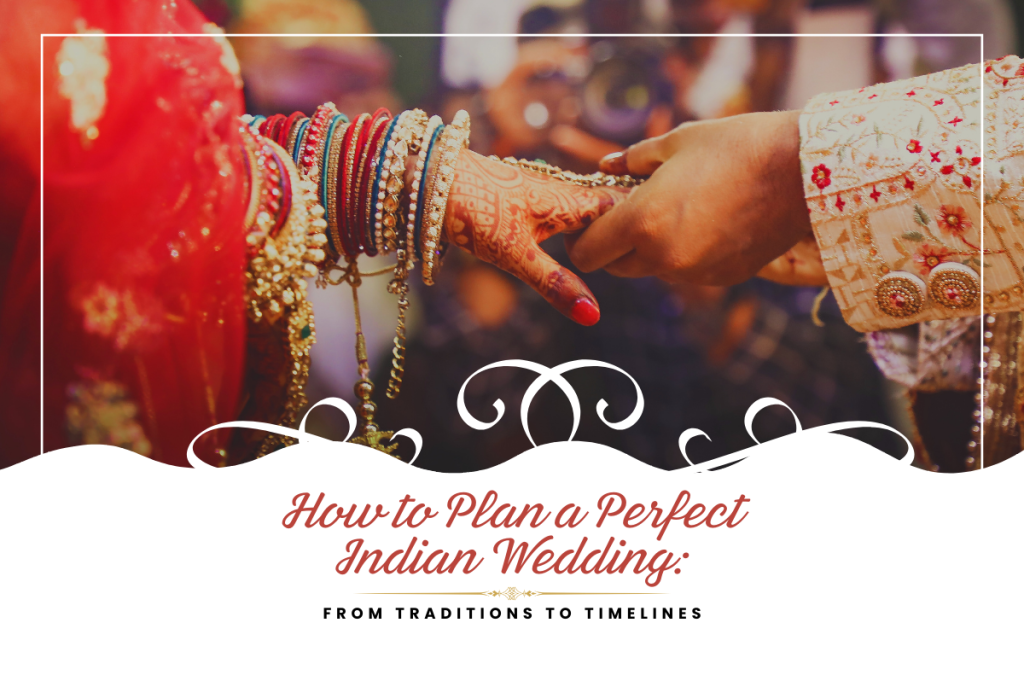
Planning an Indian wedding is both exciting and overwhelming. With changing expectations and lifestyles, couples today are trying to balance emotions, traditions, and organisation. This is why Modern Indian Wedding Trends in India focus strongly on combining cultural values with clear structure and planning. A wedding is no longer just a series of rituals. It is a carefully planned journey that needs time, clarity, and coordination.
Indian weddings carry deep emotional meaning. Families, traditions, rituals, and relationships all come together during this time. At the same time, weddings involve complex logistics such as multiple events, large guest lists, vendor coordination, and tight schedules. Without proper planning, this beautiful celebration can quickly turn stressful.
Planning ahead helps couples stay in control and enjoy the process. Setting clear timelines ensures that every function flows smoothly and nothing feels rushed. When traditions are respected and planning is organised, couples can focus on what truly matters celebrating love and togetherness.
A well planned wedding allows room for emotions, personal moments, and meaningful rituals. It also helps families work together without confusion. In today’s world, the perfect Indian wedding is not about doing everything. It is about doing the right things with intention and care.
Key Takeaways
-
Wedding trends in India are shifting towards more intimate and personalised celebrations.
-
Couples now prioritise meaningful experiences over grand scale and excess.
-
Candid and storytelling photography has become a major part of modern weddings.
-
Sustainable and eco-friendly wedding choices are gaining popularity.
-
Day weddings and structured multi-day celebrations improve guest comfort.
-
Modern décor focuses on elegance, simplicity, and emotional warmth.
-
Couples are more involved in planning to ensure weddings reflect their personal story.
-
Weddings are now viewed as lifelong memories rather than just one-day events.
Understanding the Essence of an Indian Wedding
To plan a meaningful wedding, it is important to understand what an Indian wedding truly represents. Modern Indian Wedding Trends in India show that while styles may change, the heart of the wedding remains rooted in traditions, rituals, and family values. An Indian wedding is not just about two people getting married. It is about families coming together and blessings being shared.
Every Indian wedding is unique. Traditions vary across regions, cultures, and communities. From North to South and East to West, rituals differ in meaning and practice. This diversity makes Indian weddings rich and special. Understanding these traditions helps couples decide which rituals are important to them and their families.
Modern couples are now blending tradition with personal choices. They respect rituals but adapt them to suit their beliefs and lifestyles. Some choose shorter ceremonies, while others explain rituals so guests can connect better. Many couples also blend customs from both families to create a sense of unity.
Understanding the essence of an Indian wedding helps couples make thoughtful decisions. When traditions are honoured with understanding, the celebration feels deeper, more inclusive, and emotionally fulfilling.
Setting the Foundation: Budget, Guest List, and Vision
Strong planning begins with a clear foundation. According to Modern Indian Wedding Trends in India, couples who define their budget, guest list, and vision early enjoy a smoother planning journey. These three elements guide every decision that follows.
Deciding the wedding budget is the first step. A clear budget helps couples prioritise what matters most, whether it is photography, décor, or guest experience. It also prevents unnecessary stress and overspending later.
Creating a realistic guest list is equally important. The number of guests affects the venue, budget, and overall wedding style. Smaller guest lists allow more personal celebrations, while larger ones require careful planning.
Choosing the wedding style helps shape the entire event. Some couples prefer intimate weddings, while others choose grand or destination celebrations. Modern weddings often blend traditional elements with a contemporary feel.
Aligning family expectations with the couple’s vision is crucial. Open communication helps avoid misunderstandings and builds mutual respect. When everyone shares a common vision, planning becomes smoother and more enjoyable.
Choosing the Right Dates and Muhurat
Choosing the right wedding date is one of the most important steps in Indian wedding planning. As seen in Modern Indian Wedding Trends in India, couples today try to balance traditional beliefs with practical planning. Muhurat holds great importance in Indian culture, as it is believed to bring positivity, harmony, and blessings to the marriage.
Families often consult elders or astrologers to finalise an auspicious date. Once the muhurat is decided, the next challenge is coordination. Popular wedding dates get booked quickly, so venues and vendors need to be confirmed early. Flexibility is helpful, especially if preferred dates are not available.
Season and weather also play a major role. Summer weddings need arrangements for heat, while monsoon weddings require backup plans. Winter weddings are popular but demand early bookings due to high demand.
Planning dates carefully helps avoid unnecessary stress later. When muhurat, family availability, venue schedules, and weather conditions align well, the wedding experience becomes smoother. A well chosen date sets the tone for the entire celebration and allows all events to flow comfortably.
Mapping Indian Wedding Traditions and Functions
Indian weddings are made up of multiple functions, each with its own cultural and emotional significance. According to Modern Indian Wedding Trends in India, couples today take time to understand these traditions instead of following them blindly.
Common Indian wedding functions include:
-
Roka or Engagement
-
Haldi
-
Mehendi
-
Sangeet
-
Wedding Ceremony
-
Reception
Each function serves a purpose. Haldi symbolises purification and blessings. Mehendi represents joy and bonding. Sangeet brings families together through music and celebration. The wedding ceremony marks the sacred union, while the reception is a formal celebration with extended family and friends.
Modern couples now review which traditions feel meaningful to them. Some rituals are simplified to reduce time and exhaustion. Others are combined or shortened to suit modern schedules.
Understanding the purpose of each function helps couples create a balanced celebration. When traditions are followed with awareness, the wedding feels more personal and emotionally fulfilling rather than overwhelming.
Creating a Practical Wedding Timeline
A well structured timeline is the backbone of a smooth wedding. As highlighted in Modern Indian Wedding Trends in India, couples who plan timelines carefully enjoy their celebrations without constant pressure or delays.
Month by month planning helps break the process into manageable steps. Early months focus on finalising dates, venues, and major vendors. As the wedding approaches, attention shifts to outfits, décor details, and guest coordination.
Major vendors like venues, photographers, and decorators should be booked well in advance. Scheduling outfit fittings, makeup trials, and rehearsals early helps avoid last minute stress.
It is equally important to plan buffer time. Delays are common in weddings, whether due to traffic, rituals running long, or weather issues. Extra time between events keeps things calm and organised.
A practical timeline ensures that every function flows smoothly. It allows couples and families to stay present in the moment. Good planning does not restrict joy. It creates space for it.
Selecting the Right Wedding Vendors
Choosing the right vendors plays a major role in shaping the wedding experience. In line with Modern Indian Wedding Trends in India, couples today focus on vendors who understand their vision and can work smoothly with families. The right team reduces stress and ensures everything runs as planned.
Venue selection is usually the first step. Couples should consider location, capacity, weather suitability, and guest comfort. A venue that fits the wedding style makes planning easier. Many couples also choose venues that can host multiple functions to avoid unnecessary travel.
A wedding planner or coordinator can be extremely helpful. They manage timelines, vendors, and last-minute challenges. This allows families and couples to enjoy the celebrations without constant coordination.
Photography and videography are equally important. Couples should choose professionals whose style matches their expectations. Good photographers capture emotions, not just events.
Other vendors like décor designers, caterers, makeup artists, and entertainment teams should be selected carefully. Taste, reliability, and experience matter more than trends. When vendors work well together, the wedding feels smooth, organised, and joyful for everyone involved.
Planning Wedding Décor and Theme
Wedding décor sets the mood and atmosphere of every celebration. According to Modern Indian Wedding Trends in India, couples now prefer décor that feels elegant, meaningful, and balanced rather than heavy or excessive.
Some couples choose traditional décor styles inspired by cultural elements, while others prefer modern designs with clean lines and soft colours. Many weddings now blend both styles, keeping tradition alive while adding a contemporary touch.
Colour palettes play an important role. Colours often carry cultural meaning and emotional value. Soft pastels, earthy tones, and classic reds are chosen based on the function and time of day. Couples also ensure that décor colours complement their outfits and venue.
It is important to plan décor flow across multiple events. Each function should feel different yet connected. Haldi and Mehendi may feel vibrant and playful, while the wedding ceremony feels calm and sacred. Consistency in design helps maintain harmony throughout the celebrations.
Thoughtful décor enhances emotions without overpowering them. When planned well, it creates a warm and memorable environment for everyone.
Wedding Fashion and Styling
Wedding fashion is an important part of Indian weddings, but comfort and personal style are now given equal importance. As seen in Modern Indian Wedding Trends in India, couples are choosing outfits that allow them to enjoy their celebrations fully.
Bridal and groom outfit planning usually starts early. Couples select outfits based on the function, weather, and overall wedding theme. Lighter fabrics and comfortable designs are becoming popular, especially for long events.
Jewellery and accessories are chosen carefully to complement the outfit without feeling heavy. Brides now prefer fewer but meaningful pieces. Grooms are also experimenting with personalised styling that reflects their personality.
Coordinating outfits across functions helps create a cohesive look. Each event has its own mood, so outfits are planned accordingly. Comfort is no longer compromised for appearance. When couples feel confident and relaxed in what they wear, it reflects in their expressions and photographs. Fashion becomes a celebration of individuality rather than pressure.
Photography and Videography Planning
Photography and videography play a key role in preserving wedding memories. According to Modern Indian Wedding Trends in India, couples now value candid and storytelling photography over stiff and posed images. They want visuals that reflect real emotions and natural moments.
Candid photography focuses on capturing moments as they happen. Laughter, tears, nervous smiles, and quiet interactions are all part of the story. Videography also follows the same approach, documenting the flow of events rather than staged scenes.
Creating a shot list can be helpful, but over-planning should be avoided. Couples can highlight important rituals, family members, and moments they care about, while allowing photographers the freedom to capture spontaneous emotions. Too many instructions can interrupt the natural flow of the wedding.
Special attention should be given to rituals and emotional moments. Ceremonies, family reactions, and private moments between the couple often become the most cherished memories later. When photography and videography are planned with sensitivity, they help couples relive their wedding exactly as it felt, not just how it looked.
Guest Experience and Hospitality
Guest experience has become a major focus in modern weddings. As seen in Modern Indian Wedding Trends in India, couples now plan weddings keeping guest comfort and ease in mind. A well cared for guest feels welcomed and included throughout the celebration.
Clear invitations and communication are essential. Guests should receive timely information about dates, venues, dress codes, and schedules. This reduces confusion and helps them plan better.
Accommodation and travel planning is especially important for outstation guests. Comfortable stays, clear travel instructions, and basic assistance go a long way in making guests feel relaxed.
Event flow also affects guest experience. Functions should start on time and move smoothly from one to another. Adequate seating, shade, and refreshments help guests enjoy longer ceremonies without discomfort.
When guests feel comfortable and valued, they engage more with the celebration. A wedding that cares for its guests creates warm memories for everyone involved.
Managing Multiple Days and Events
Many Indian weddings span several days, but managing them well is essential. According to Modern Indian Wedding Trends in India, couples now focus on structured planning instead of packing too many events into each day.
Structuring multi-day weddings helps maintain balance. Each day should have a clear purpose, whether it is rituals, celebration, or relaxation. This avoids confusion and keeps energy levels steady.
Avoiding guest and family fatigue is very important. Long hours and tightly packed schedules can make celebrations feel exhausting. Giving enough breaks between functions allows everyone to enjoy the moments fully.
Keeping celebrations organised requires clear timelines and coordination. When events run smoothly, couples and families feel less stressed. A well managed multi-day wedding feels joyful rather than overwhelming.
Good planning ensures that every function gets its own attention. This allows couples to be present and emotionally connected throughout the celebration.
Using Technology for Better Planning
Technology has become a helpful tool in wedding planning. In line with Modern Indian Wedding Trends in India, couples are using digital solutions to simplify organisation and improve communication.
Digital invitations and wedding websites are now common. They provide guests with schedules, venue details, and updates in one place. This reduces the need for repeated messages and follow-ups.
Live streaming has become popular for relatives who cannot attend in person. It allows loved ones from different cities or countries to be part of the celebration.
Photo and video sharing tools also make it easier for guests to access memories quickly. QR codes or shared folders help collect moments captured by different people.
Technology supports planning without replacing emotions. It helps weddings run smoothly while keeping everyone connected. When used thoughtfully, technology adds convenience and inclusivity to modern Indian weddings.
Final Week and Wedding Day Checklist
The final week before the wedding is one of the most important phases of planning. As seen in Modern Indian Wedding Trends in India, couples who prepare a clear checklist for this stage feel more relaxed and confident. The goal is to avoid last-minute confusion and enjoy the celebrations.
Vendor confirmations should be done a few days before the wedding. This includes the venue, decorators, photographers, caterers, makeup artists, and entertainment teams. Reconfirming timings and responsibilities helps everyone stay aligned.
Emergency kits are also essential. These may include safety pins, medicines, band-aids, tissues, makeup touch-up items, and phone chargers. Backup plans should be ready for weather changes or delays.
A final walkthrough with the planner or coordinator helps review the event flow. Roles are assigned, timelines are checked, and communication channels are confirmed. On the wedding day, this preparation allows couples and families to stay present. When details are handled in advance, the celebration feels smooth, joyful, and stress-free.
Post-Wedding Planning
Wedding planning does not end when the celebrations are over. According to Modern Indian Wedding Trends in India, post-wedding tasks are just as important for closing the journey smoothly and meaningfully.
Photo and video delivery timelines should be discussed clearly with photographers. Knowing when to expect previews and final albums helps manage expectations. Many couples also plan backup storage for their wedding memories.
Vendor settlements should be completed promptly. Clearing payments and thanking vendors maintains good relationships and avoids follow-up stress.
Thank-you messages and keepsakes are a thoughtful way to express gratitude. Couples often send personal notes, photos, or small gifts to close family and friends. These gestures strengthen bonds and leave lasting impressions.
Post-wedding planning helps couples transition calmly into married life. Taking time to organise memories and express gratitude completes the wedding journey with warmth and intention.
Common Mistakes to Avoid While Planning an Indian Wedding
Even well planned weddings can face challenges if certain mistakes are overlooked. In Modern Indian Wedding Trends in India, couples are becoming more aware of what to avoid for a smoother experience.
Common mistakes include:
-
Overloading functions with too many activities
-
Ignoring realistic timelines
-
Skipping buffer planning for delays
-
Not prioritising guest and couple comfort
Too many functions can lead to exhaustion. Tight schedules often cause stress and confusion. Without buffer time, small delays can affect the entire flow.
Comfort is sometimes ignored in favour of appearance or tradition. Heavy outfits, long ceremonies, and lack of seating can affect the experience.
Being aware of these mistakes helps couples plan wisely. Simpler, well-paced celebrations often feel more meaningful and enjoyable for everyone involved.
Final Thoughts
At its heart, an Indian wedding is about love, family, and togetherness. Modern Indian Wedding Trends in India highlight the importance of balancing traditions with thoughtful planning. When rituals are respected and organisation is clear, weddings become joyful experiences instead of stressful events.
Today’s couples are choosing intention over pressure. They focus on creating memories rather than managing chaos. Planning ahead allows space for emotions, laughter, and meaningful moments.
A wedding is not just about one day. It is about the journey that leads to it and the memories that follow. When couples enjoy the process and stay true to themselves, the celebration feels authentic and fulfilling. The most beautiful weddings are those where love is felt in every moment.
Ready to Plan Your Wedding the Right Way?
Your wedding should feel personal, meaningful, and truly unforgettable. With changing wedding trends in India, thoughtful planning and the right creative partners make all the difference.
Whether you are dreaming of an intimate celebration, a modern themed wedding, or a beautifully planned traditional ceremony, we are here to help you bring your vision to life.
From planning and décor to photography and flawless execution, our team focuses on creating experiences that feel effortless and full of emotion.
Let’s create a wedding that reflects your story and becomes a memory you will cherish forever.
Connect with us today and start planning your perfect wedding.