

Indian Wedding Functions are the heart and soul of every traditional celebration. In India, a wedding is not limited to just one ceremony. It is a series of meaningful rituals and joyful gatherings that bring families together and create lasting memories. Each of these Indian Wedding Functions carries cultural, emotional, and spiritual importance that goes far beyond decoration and celebration.
Unlike many cultures where weddings take place in a single event, Indian weddings unfold over several days. From the Haldi and Mehendi to the Sangeet and the main Shaadi ceremony, every function has its own purpose. Some rituals focus on blessings and purification, while others celebrate music, dance, and bonding between families. These Indian Wedding Functions allow friends and relatives to actively participate in the journey toward marriage.
What makes Indian Wedding Functions special is the balance between tradition and emotion. They are not only rituals passed down through generations but also moments of laughter, tears, and togetherness. Modern couples may personalise these functions, but the core meaning remains strong. Understanding Indian Wedding Functions helps couples plan thoughtfully and appreciate the depth behind each ceremony.
When planned with care, these functions create a beautiful flow that turns a wedding into a complete and unforgettable experience.
Key Takeaways
-
Indian Wedding Functions are a series of meaningful rituals, not just one ceremony.
-
Each function has its own cultural and emotional significance.
-
Haldi, Mehendi, Sangeet, and Shaadi together create a complete wedding journey.
-
Indian Wedding Functions strengthen family bonds and celebrate togetherness.
-
Planning each function thoughtfully ensures a smooth and memorable celebration.
Understanding Indian Wedding Functions
Indian weddings are celebrated through multiple functions because marriage in India is seen as a union of families, not just two individuals. Each function plays a specific role in preparing the couple emotionally, spiritually, and socially for married life. These celebrations create space for blessings, bonding, and shared joy before the main wedding ceremony.
Multiple functions are celebrated to involve different groups of people in different ways. Some rituals are intimate and focus on close family, while others are lively and include extended relatives and friends. This structure allows every relationship to be acknowledged and celebrated.
The emotional and cultural significance of these functions is deep. Rituals often symbolise purification, prosperity, happiness, and protection. Families come together to pass on traditions, share advice, and express love for the couple. These gatherings strengthen bonds between families and create memories that last a lifetime.
Modern couples are now simplifying or personalising these functions. Instead of following every ritual strictly, they choose those that hold meaning for them. Some ceremonies are shortened to avoid exhaustion. Others are blended to reflect the couple’s cultural backgrounds. Personal touches such as custom décor, themed outfits, or unique music choices make the events feel more intimate.
Understanding why these functions exist helps couples plan better. When each event has a clear purpose, the celebration feels organised, meaningful, and joyful rather than overwhelming.
Haldi Ceremony
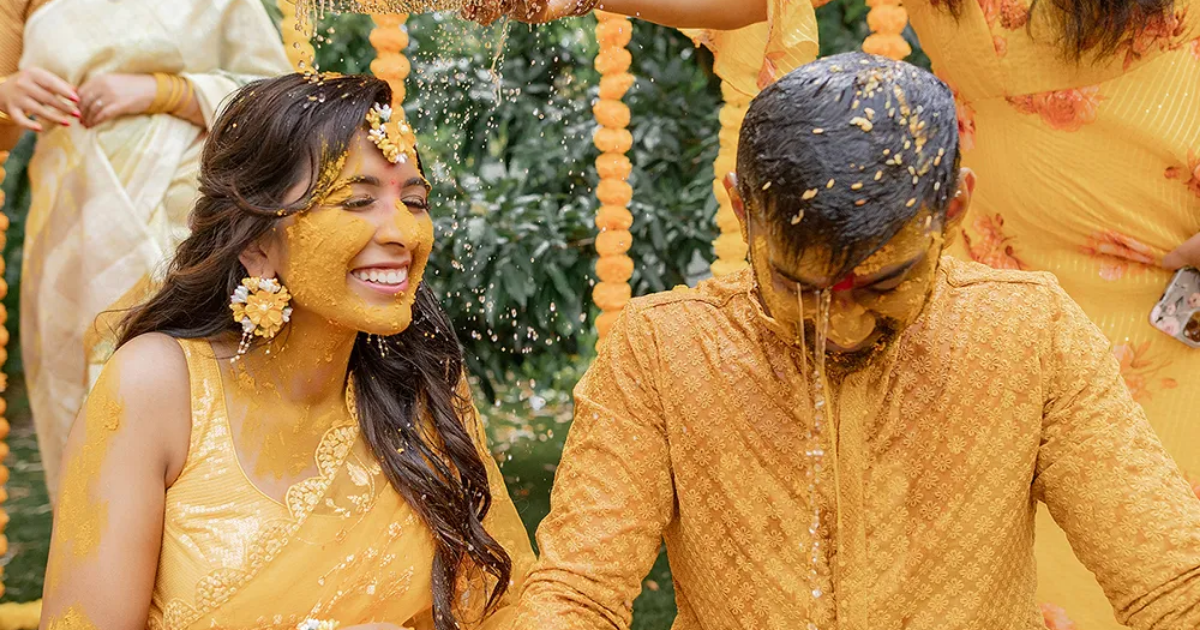
The Haldi ceremony is one of the most loved pre-wedding rituals in Indian weddings. It holds cultural and spiritual meaning. Turmeric, known as haldi, is believed to purify, protect, and bring a natural glow to the bride and groom before their wedding day.
Traditionally, a paste made of turmeric, sandalwood, and rose water is applied to the bride and groom by close family members. This ritual symbolises blessings for a happy and healthy married life. It is usually held separately at both homes, although many modern weddings celebrate it together.
Family members, especially married women, play an important role in this ceremony. They apply haldi while singing traditional songs and offering blessings. The mood is cheerful and emotional, filled with laughter and warmth.
Décor for Haldi ceremonies usually includes bright colours such as yellow, orange, and white. Floral arrangements, marigold garlands, and simple seating setups create a vibrant atmosphere. The focus is on freshness and simplicity.
Modern Haldi celebrations often include fun elements such as flower showers, coordinated outfits, and playful music. Some couples combine Haldi with a small celebration for friends to make it more interactive. Despite the modern touches, the essence of the Haldi ceremony remains rooted in blessings and togetherness.
Mehendi Ceremony
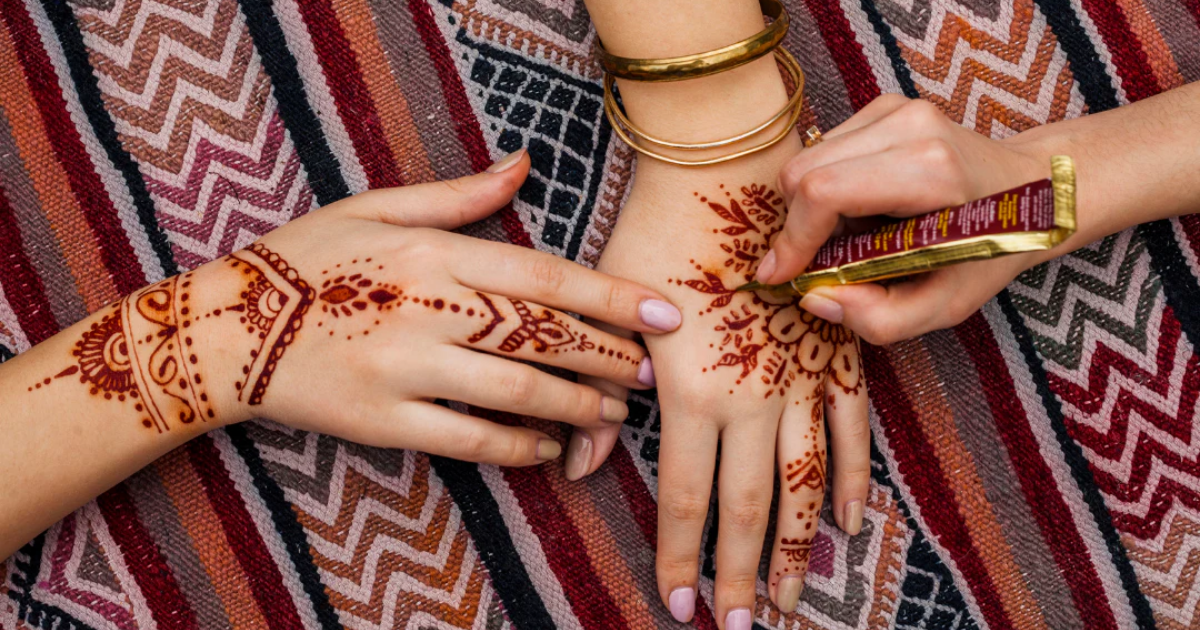
The Mehendi ceremony is a joyful celebration filled with colour, music, and creativity. Mehendi, or henna, is applied to the bride’s hands and feet as a symbol of love, prosperity, and good fortune. In Indian weddings, it is believed that the darker the mehendi colour, the stronger the love and bond between the couple.
The ritual usually takes place a day or two before the wedding. Skilled artists create intricate designs that often include traditional patterns, floral elements, or symbols meaningful to the couple. In many weddings, the groom’s name is hidden within the bride’s mehendi as a playful tradition.
The ceremony is not limited to the bride alone. Friends and family members also apply simple mehendi designs, making it a shared and bonding experience. The atmosphere is lively, with music, dance, and light refreshments.
Modern Mehendi themes often include colourful décor, comfortable seating areas, and coordinated outfits for guests. Pastel shades, floral jewellery, and natural elements are popular styling choices. Some couples choose themed backdrops or personalised elements to make the event unique.
While the look of Mehendi ceremonies may evolve, the core meaning remains the same. It is a celebration of happiness, beauty, and the beginning of a new chapter in life.
Sangeet Night
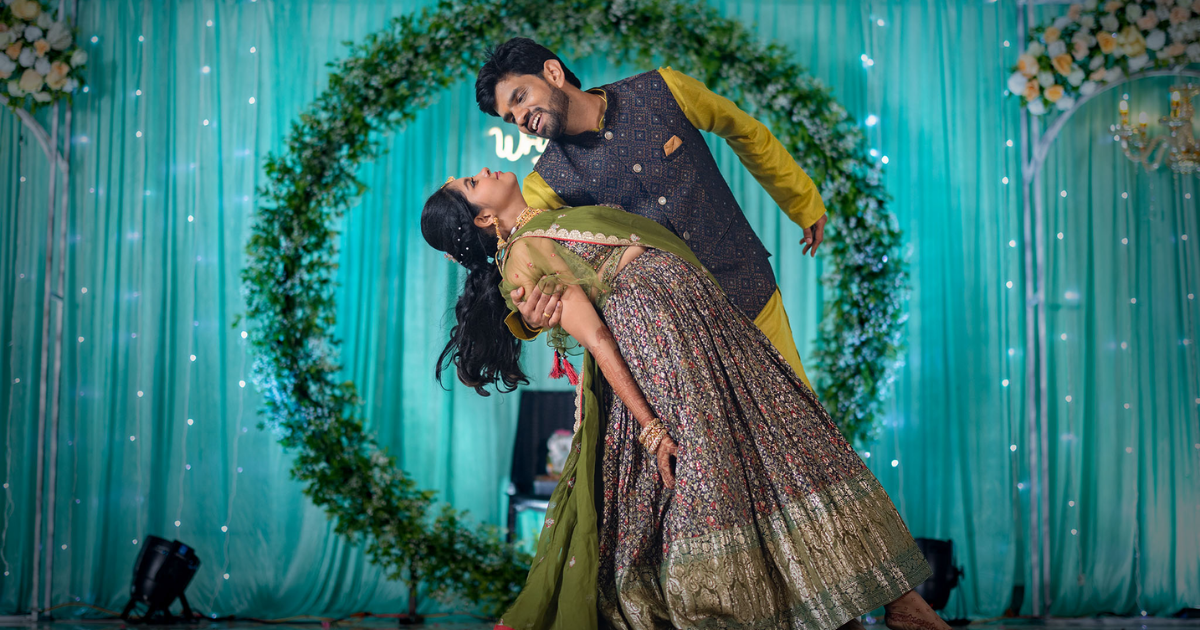
The Sangeet night is one of the most lively and joyful functions in an Indian wedding. Its main purpose is to celebrate the upcoming union with music, dance, and togetherness. Traditionally, Sangeet was a small gathering where women from the family sang folk songs and blessed the couple. Today, it has evolved into a grand celebration filled with performances and entertainment.
The cultural importance of Sangeet lies in bringing both families closer in a relaxed setting. It creates a space where formalities are set aside and everyone connects through music and laughter. Traditional Sangeet included simple singing and dhol beats, while modern Sangeet often includes choreographed performances, DJs, and stage setups.
Family performances are the highlight of the evening. Parents, siblings, cousins, and friends prepare dance routines dedicated to the couple. These performances add emotion and fun to the celebration. Some couples even perform together, making it a memorable moment.
Entertainment planning is important to keep the energy high. Good sound systems, smooth event flow, and proper coordination ensure that the night runs well. Hosts or anchors can guide the event and maintain excitement.
Outfits for Sangeet are usually glamorous and vibrant. Brides and grooms often choose stylish yet comfortable outfits that allow easy movement. Décor may include colourful lights, floral backdrops, and stage designs that create a festive atmosphere. Sangeet sets the mood for the wedding with joy and celebration.
The Wedding Ceremony (Shaadi)
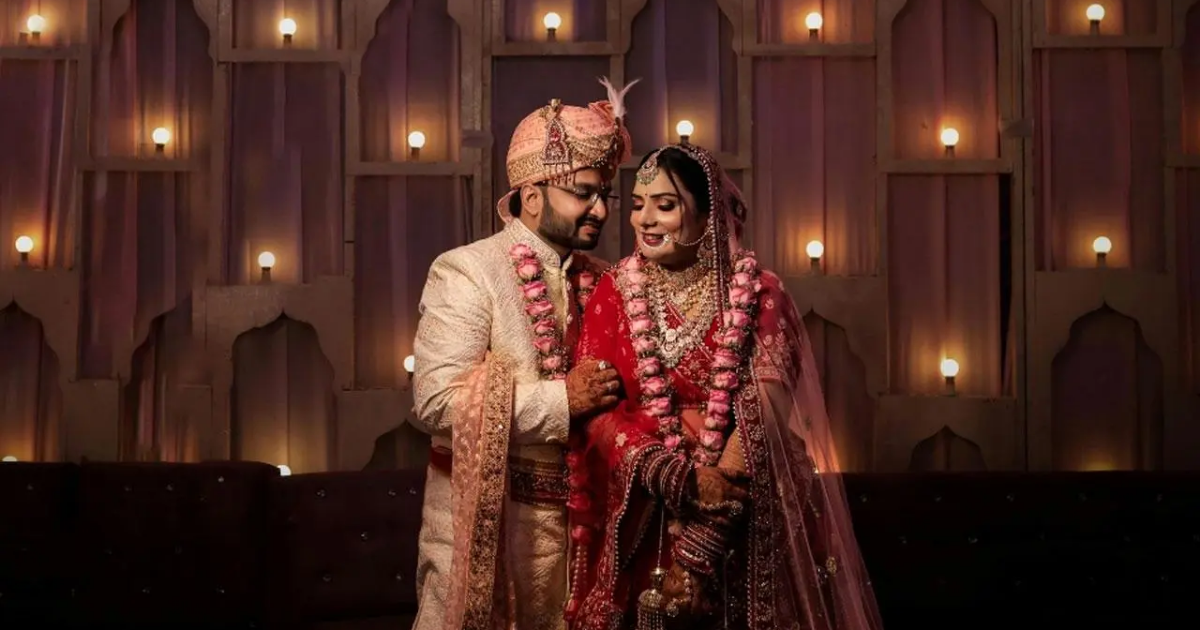
The wedding ceremony, or Shaadi, is the most sacred and meaningful part of an Indian wedding. It marks the official union of the bride and groom in the presence of family, friends, and spiritual blessings. This ceremony is rooted in ancient traditions and rituals that symbolise commitment and responsibility.
Sacred rituals form the core of the ceremony. One of the most important rituals is the pheras, where the couple walks around the sacred fire. Each round represents a promise made to one another for love, respect, and partnership. The sacred fire is believed to witness these vows and bless the couple’s journey ahead.
Family members play an important role during the ceremony. Parents perform rituals that symbolise giving their blessings and support. Siblings and close relatives assist in various traditions, making the ceremony a shared experience.
Regional variations add richness to Indian weddings. While North Indian weddings may include pheras and sindoor rituals, South Indian weddings may focus on tying the mangalsutra and other customs. Despite differences, the meaning remains the same.
The emotional and spiritual significance of the Shaadi ceremony is deep. It is a moment filled with tears, smiles, and prayers. For many families, this is the most heartfelt part of the celebration, marking the beginning of a new chapter.
Reception
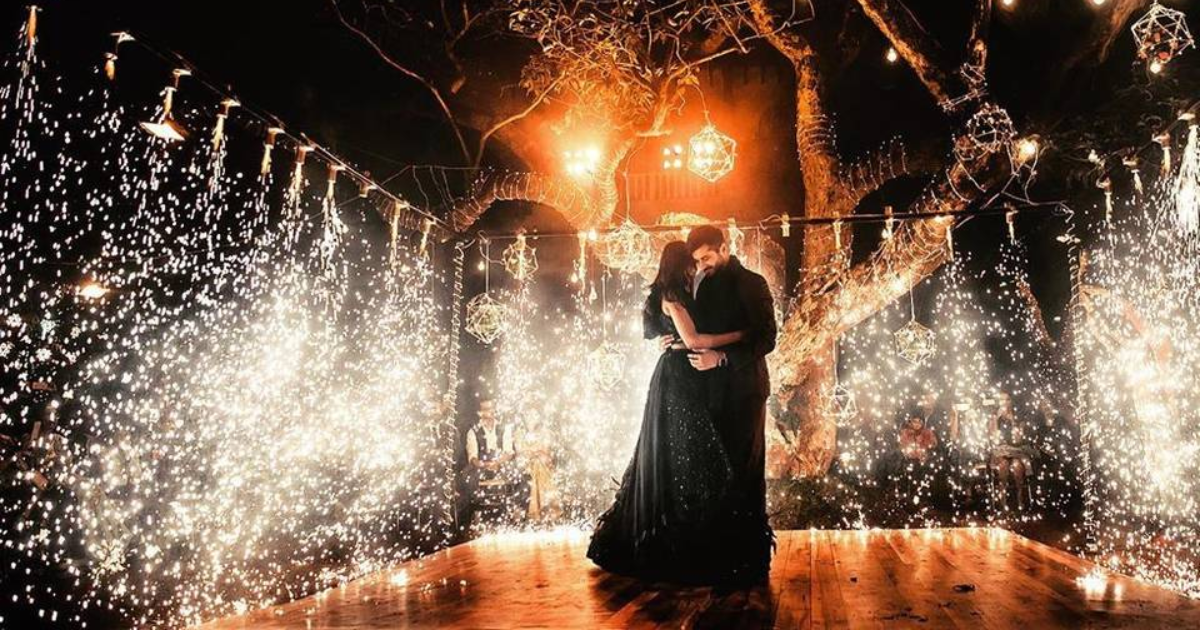
The reception is the final major celebration of the wedding. Its purpose is to formally introduce the couple as newlyweds to extended family, friends, and social circles. It is usually more structured and elegant compared to earlier functions.
Unlike ritual-based ceremonies, the reception focuses on celebration and hospitality. Guests arrive to congratulate the couple, share blessings, and enjoy a festive meal. It is often the largest gathering, especially if the wedding ceremony was intimate.
Décor for receptions tends to be refined and sophisticated. Themes may include elegant floral arrangements, soft lighting, and well-designed seating layouts. Colour palettes are usually chosen to create a grand yet welcoming atmosphere.
Managing guest experience is very important during the reception. Clear entry flow, comfortable seating, and organised food service help the event run smoothly. A proper stage setup allows guests to greet the couple without long waiting times.
The reception is also a great opportunity for photography, as the couple often wears their most formal outfits. This event brings the wedding celebrations to a graceful close. It leaves guests with warm memories and gives the couple a beautiful final celebration before beginning their new life together.
Timeline and Planning Tips for Each Function
Planning the timeline of wedding functions carefully makes the entire celebration smooth and enjoyable. Since Indian weddings usually include multiple events, spacing them properly across days is very important. Each function should have its own time and focus without feeling rushed.
Ideally, lighter and fun events like Mehendi and Haldi can be scheduled earlier, while Sangeet can take place a day before the wedding. The wedding ceremony should have enough space in the schedule so that rituals can be performed peacefully. The reception can be planned either on the same evening or the next day, depending on comfort and guest availability.
Avoiding fatigue is key. Too many events in one day can exhaust the couple and families. Leaving gaps between functions allows everyone to rest and prepare for the next celebration. Shorter events with clear start and end times also help maintain energy.
Coordinating vendors across functions is another important step. Photographers, decorators, caterers, and makeup artists must know the full schedule in advance. Clear communication avoids confusion and delays.
Managing budgets across functions requires planning from the beginning. Decide how much to allocate to each event based on its importance. When timelines are structured and budgets are clear, the wedding feels organised, joyful, and stress free.
Fashion and Styling for Each Function
Fashion plays an important role in expressing the mood of each wedding function. Since every event has a different atmosphere, outfits should reflect the purpose and energy of the celebration while keeping comfort in mind.
For Haldi, outfits are usually simple and light. Yellow, white, and pastel shades are popular choices. Brides often wear comfortable lehengas or sarees that allow easy movement. Floral jewellery is also common during this function.
Mehendi styling focuses on comfort and colour. Since the bride will sit for long hours, lightweight outfits are preferred. Bright colours like green, pink, and orange are popular. Comfortable seating and open hairstyles are often chosen to match the relaxed mood.
Sangeet is the time for glam and shine. Brides and grooms usually choose stylish outfits that allow dancing. Sequins, bold colours, and modern silhouettes are common. Comfort is still important since the night involves performances and movement.
The wedding ceremony attire is usually traditional and elegant. Brides often wear classic colours such as red or maroon, while grooms choose sherwanis or traditional suits. For the reception, outfits are more formal and refined. Many couples opt for modern gowns or suits that give a grand and polished look.
Photography and Videography Across Functions
Photography and videography are essential for capturing the journey of the wedding, not just the main ceremony. Each function offers unique moments that together tell a complete story of love and celebration.
Capturing candid moments should be a priority. Natural laughter during Mehendi, playful moments in Haldi, emotional performances in Sangeet, and sacred rituals during the wedding ceremony all create meaningful memories. These real emotions make wedding albums timeless.
Important shots differ for each ceremony. For Haldi, focus on family members applying turmeric and joyful expressions. During Mehendi, detailed shots of henna designs and bonding moments are important. Sangeet requires capturing dance performances and crowd reactions. The wedding ceremony needs attention on pheras, vows, and family blessings. Reception photographs often include formal portraits and guest interactions.
Storytelling through multiple events creates a complete wedding film or album. When photographers document the journey from pre-wedding rituals to the final reception, the couple can relive the entire experience. Good coordination between the couple and the photography team ensures that nothing meaningful is missed.
Common Mistakes to Avoid
Planning an Indian wedding involves many details, and small mistakes can create unnecessary stress. Being aware of common errors can help couples enjoy the process more calmly.
One common mistake is overloading functions with too many activities. Trying to fit too many rituals, performances, or events into a single day can exhaust both the couple and guests. It is better to keep each function focused and meaningful rather than overly packed.
Another mistake is ignoring timelines. When events start late or run longer than planned, it affects the entire schedule. Clear communication with vendors and family members helps keep everything on track.
Skipping buffer time is also risky. Delays can happen due to traffic, weather, or extended rituals. Adding extra time between events prevents panic and confusion.
Budget mismanagement is another challenge. Overspending on one function can affect other events. Planning budgets carefully for each function keeps finances balanced.
Lastly, not prioritising comfort can impact the overall experience. Heavy outfits, long ceremonies without breaks, or poor seating arrangements can make guests uncomfortable. When comfort is considered, celebrations feel joyful and relaxed.
Avoiding these mistakes helps create a wedding that feels organised, enjoyable, and emotionally fulfilling.
Final Thoughts
Indian weddings are not just celebrations. They are emotional journeys filled with rituals, traditions, and unforgettable memories. From Haldi and Mehendi to Sangeet and the sacred Shaadi ceremony, every function plays an important role in shaping the overall experience. When each event is planned with care, the entire wedding feels balanced, meaningful, and joyful.
To manage multiple functions smoothly, couples often need the support of a professional wedding management company that understands both tradition and modern planning. Proper coordination, clear timelines, and thoughtful budgeting help reduce stress and allow families to focus on what truly matters celebrating love and togetherness.
At the same time, capturing these moments beautifully is equally important. A trusted photography agency ensures that every smile, ritual, and emotional moment becomes a memory that lasts forever. The right team does not just document events, but tells a story through images and films.
At Pinnacle Events Company, we believe that weddings should feel personal, organised, and unforgettable. With the right planning and creative vision, your wedding functions can come together seamlessly, creating a celebration you will cherish for a lifetime.
FAQ
1. What are the main Indian wedding functions?
The main Indian wedding functions usually include Roka or Engagement, Haldi, Mehendi, Sangeet, the Wedding Ceremony, and the Reception. These events may vary based on region and family traditions.
2. How many days do Indian wedding functions last?
Indian wedding functions can last from two to five days depending on the scale of celebration, traditions followed, and family preferences.
3. What is the purpose of the Haldi ceremony?
The Haldi ceremony symbolises purification and blessings. Turmeric paste is applied to the bride and groom for good luck, protection, and a natural glow before the wedding.
4. Why is Mehendi important in Indian weddings?
Mehendi represents love, prosperity, and happiness. It is also a joyful event that brings friends and family together before the wedding day.
5. How can couples plan multiple wedding functions smoothly?
Clear timelines, early vendor bookings, structured budgeting, and proper coordination help manage multiple wedding functions smoothly.